Friday, March 16, 2012

Hard boiled colored eggs are always a Huge hit at the Cafeteria.  We've been selling them every year around Easter time.
It's a cafeteria tradition that kids love!

Menu has been posted.

MyPlate


Teaching your young kids about good nutrition with MyPlate can be super easy for parents and fun for kids!
§  First take out a medium size dinner plate. Have your child trace the shape on a piece of paper.
§  Show them the MyPlate logo and have them divide their circle into 4 almost equal parts. Giving a little more space for veggies than fruits and a little more space for grains than protein.
§  Take out some crayons –tell them to pick out the colors that foods come in! Explain to them that each color food has unique powers that protect our body, for example, blueberries may help them remember better and keep their hearts strong or strawberries have vitamin C that helps heal their cuts if they fall on the playground.
§  Have them draw and color their favorite foods on the makeshift plate.
§  At meal time, have them help you plan the meal together to meet the MyPlate principles. Discuss which foods you’ll need to prepare to fit every category.  Use this as an opportunity to choose whole grains over refined grains.
§  Get them involved by having them wash or scrub vegetables, set the table and arrange the foods on their plate to match MyPlate!
The next time your child falls on the playground, instead of hearing, “I need a bandaid” it could be, “mom can we buy some strawberries?”  For more tips on MyPlate principles visit www.MyPlate.gov .  Then visit www.superkidsnutrition.com for your source of fun and practical nutrition tips and tools to help you and your family live their best!

Courtesy of Link to SKN Blog

Wednesday, March 14, 2012

FOOD PICS

TORTAS DE POLLO ARE A BIG HIT AT THE CAFETERIA!
GRILLED  CHICKEN BREAST WITH LETTUCE, TOMATO AND HOUSE SPECIAL DRESSING

TORTA DE POLLO

BIG TACO

PUPUSAS


CELERY STICKS
CUCUMBER STICKS


MANGO JADE


HEAVENLY CHOCOLATE CAKE


Sunday, March 11, 2012


March is National Nutrition Month, a time to kick start your goals for getting fit, feeling great, and looking good.  And this year the National Nutrition Month campaign honors MyPlate, the latest set of healthy eating guidelines developed by the US government.  Every five years, a panel of nutrition scientists and experts gets together to review the current science, our eating behavior, and diet-related health problems in order to come up with a plan to promote a healthy diet for Americans.  And it’s no surprise that we have a long way to go as a nation—we’re suffering from high levels of obesity and diet-related chronic diseases, such as diabetes and heart disease.  This is particularly clear when we consider the impact of obesity among children.  Nearly one-third of children and teens are obese or overweight, putting them at risk for a laundry list of health and social problems in their future.  Obese kids are on track to live a shorter life riddled with diseases such as type 2 diabetes, face lower employment and income levels, and receive higher health care bills.
Enter MyPlate—a simple image of what your dinner plate should look like.  And the first thing you’ll probably notice about MyPlate is that your plate should be filled mostly with plant foods, such as vegetables, fruits, whole grains, lentils and beans.  The morale of the story: meat no longer has to be at the center of your plate; you’re better off focusing on plant foods, which are naturally rich in all of the “good” stuff, like vitamins, minerals, fiber, and antioxidants, and naturally low in all of the “bad” stuff, like saturated fat, dietary cholesterol, and sodium.
Link to SKN BlogSo, how can you get your dinner plate in shape?  Here are my top plant-based tips:
  1. Change your mindset. Don’t think of the animal protein first when you’re planning your menu.  Instead, think of which gorgeous fresh vegetables and fruits are in season and which delicious whole grains and legumes (beans, lentils, and dried peas) are available and pique your interest.
  2. Use meat as a seasoning. That’s how most healthy, traditional diets are planned; they turn a single portion of chicken or beef into a delicious, plant-based meal for the whole family.  Case in point: a lovely vegetable stir-fry with shrimp or chicken served with brown rice.
  3. Put beans and lentils on the menu. Who needs meat when you can feast on savory lentils, fava beans, or black-eyed peas?  Combine them with veggies and whole grains and you’ve got a low-cost, delicious, nutritious meal you can feel good about.
  4. Double—or triple—up on the veggies.  One little side serving of veggies on your plate is just not going to cut it.  Try at least two different types of vegetables for dinner—perhaps a vegetable soup or salad and a cooked vegetable or two.  And remember, frozen or canned vegetables (without added salt) count towards your veggie requirement.
  5. Dive into whole grains.  Include a serving of cooked ancient grains—quinoa, wheat berries, Kamut, barley, bulgur, or brown rice—on your plate.  The easiest way to prepare them is to put the grains in a rice cooker, add the required amount of water (use vegetable broth for more flavor), and push the start button.
  6. Dine on fruit for dessert.  Kill two birds with one stone—eat delicious, naturally sweet fruit (fresh, frozen, or canned without sugar) as your after meal treat every day.
Sharon Palmer, RD, dietitian, writer, and author of The Plant-Powered Diet (The Experiment, 2012)http://superkidsnutrition.com/

Friday, March 9, 2012

The Menu for the week is posted.  Have a safe and happy weekend!

http://www.orkutpapa.com/scraps/412.gif

The Potato

(Solanum tuberosum)

The potato has been an essential part of the world's diet for centuries. Originally cultivated in South America's Andean Mountains, potatoes found their way to Europe during the 16th century. By the end of 17th century the potato had become an important crop in Ireland. Today potatoes are grown in over 100 countries and in all 50 of the United States. According to the USDA, the average American eats 140 pounds of potatoes each year, including over 50 pounds of French fries!

Nutritional Information for a Medium-Sized Potato

Calories
110
Protein
3 grams
Carbohydrate
23 grams
Fat
0 grams
Dietary fiber
2710 milligrams
Sodium
10 milligrams
Potassium
750 milligrams
http://www.factmonster.com

Tuesday, March 6, 2012

This week's YUMMY Selections

FRUITS


 CORN FLAKE TREATS

 HEAVENLY CINNAMON     ROLLS


          TUNA SALAD BAGELS


Saturday, March 3, 2012

The Tomato

(Lycopersicon esculentum)

Originally cultivated by the Aztecs and Incas as early as 700 A.D., the tomato is native to the Americas. Europeans were first made aware of the tomato when explorers brought back seed from Mexico and Central America in the 16th century. Tomatoes quickly became popular in the Mediterranean countries but received resistance as they spread north. The British in particular considered the fruit to be beautiful but poisonous. This fear was shared in the American colonies and it was years before the tomato gained widespread acceptance. By the middle of the 19th century, tomatoes were in use across America. Today the tomato is generally considered to be the favorite vegetable of the American public.

http://www.factmonster.com/ipka/A0781697.html

Nutritional Information

(average-sized tomato, 5 oz.)
Calories
35
Protein
1 gram
Carbohydrate
6 grams
Fat
1 gram
Dietary fiber
1 gram
Sodium
15 milligrams
Potassium
360 milligrams


The menu has been posted.

Healthy Bones Means More Than Just Milk
Milk and milk products are high in calcium, which is important for strong bones, says MyPyramid for Kids. Milk isn't the only source of calcium, it is also found in soy milk and fortified juices, says the Vegetarian Resource group. Some vegetables, such as broccoli and chinese cabbage, also contain calcium. Shellfish, salmon and sardines eaten with the bones, almonds and dried beans are also good sources of calcium, according to the National Institutes of Health Medline Plus.
Go Meatless For Protein
Protein can be found in a number of different foods, including meat, poultry, fish, beans, nuts, starches and vegetables. Protein is important for building muscle. Kids should choose low-fat meats and poultry, says MyPyramid for Kids. Kids should also eat more vegetarian sources of protein. Go meatless on Monday, say RD411. Meatless meal ideas include spaghetti with tomato sauce, bean burritos and grilled cheese.
Make The Most Out Of Snacks
Kids are snacking on more cookies and candy, and drinking more soda these days, says the Center for Science in the Public Interest. These high calorie treats aren't filling and contribute to weight gain in kids. To stay healthy, kids should choose low calorie nutritious foods to snack on. Food like apples, yogurt and carrots are very low in calories, but can help keep hunger away. A whole cucumber has fewer calories than one Oreo cookie, according to the Center for Science in the Public Interest.

Saturday, February 25, 2012

Check out the menu for the week.  Until Monday.......

§  Stock your refrigerator with ready to eat fruits and vegetables—fresh, frozen, or canned. If buying canned veggies, keep your heart healthy by assuring no sodium is added. If stalking up on canned fruit, buy items without added sugar or syrup that will add unwanted calories. When possible choose cans foods without BPA.
§  Prepare fruits and veggies in an eye catching way: Studies show that children eat more of them when served in a beautiful and interesting way.
§  Turn off the TV. Watching TV distracts families from enjoying healthier activities that exercise the muscles and the mind.
§  Clean and sanitize your refrigerator regularly. Having a clean refrigerator reduces the risk of contaminated food.
§  Monitor mindless munching. Teach your kids to be aware of when and what they are eating.
§  Find healthy ways to reward your children for a job well done, like stickers or time together, instead of cookies or candy. Rewarding good behavior with food is related to being overweight later.
§  Be a good example. Model healthy behaviors like eating breakfast and including fruits and vegetables at all of your meals.

Tuesday, February 21, 2012

This week's fruits and desserts


JOCOTES: TRONADORAS
MANDARINAS
WATERMELON
PINEAPPLE
MANGO DE ANIS
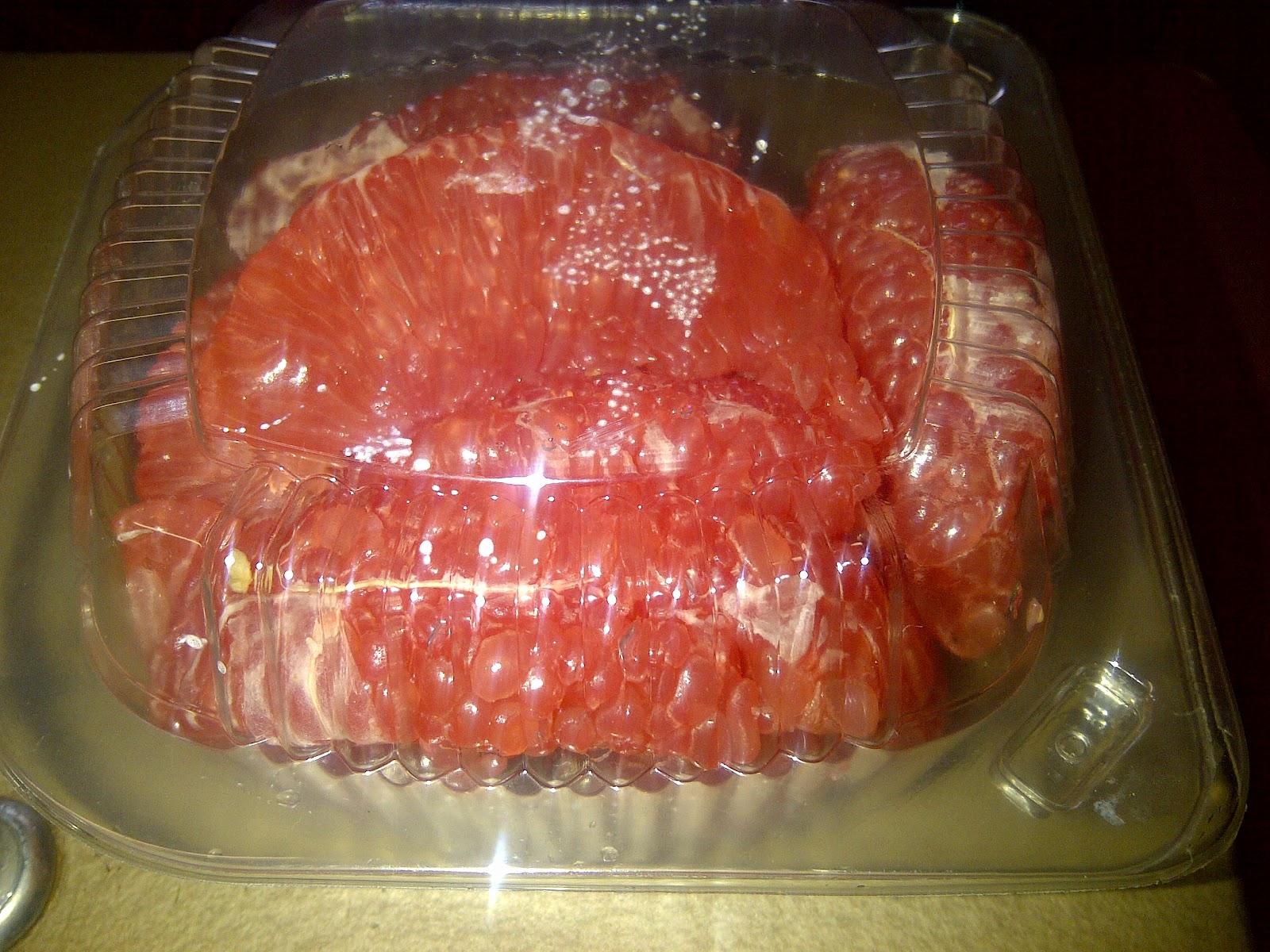
TORONJA ROSADA
CHOCOBANANOS
CHARAMUSCAS: MORA, HORCHATA, CHOCOLATE


Saturday, February 18, 2012

Menu has been posted.  Enjoy the long weekend!

Skip the Take-Out & Get Cooking with the Kids with this Easy Chinese Meal
Introducing cultural cuisine to your family by cooking a healthy Chinese dish with your kids. It’s easy and fun!  Moo Goo Gai Pan is a delicious, easy-to-make stir-fry chicken dish with mushrooms and other veggies! Have your child help you wash the vegetables and measure the ingredients.

§  Heat a little olive, grape seed oil or canola oil in a wok and stir-fry mushrooms and canned water chestnuts for 2 minutes.
§  Add celery, pea pods, and 1 tsp honey. Sugar snap peas are a popular alternative with kids.
§  Add about ¼ cup water and steam for 2 minutes, then remove all food from the wok.
§  Stir-fry chicken for 4-5 minutes until cooked throughly.
§  Add back in the vegetables with a little minced ginger, soy sauce and 1 tsp of corn starch mixed with 2 tsp warm water. Stir while heating until sauce thickens. Eat and Enjoy!
Which Foods Bring You Great Harvest, Blessing and Fortune In The Chinese New Year?
Match the foods to the type of good luck they symbolize!
1. Harvest                                     a. Apple
(food with seeds, nuts)
2. Blessing                                    b. Orange
(red food)
3. Fortune                                    c. Walnuts
(golden/yellow food)

Reference:

Monday, February 13, 2012

Saturday, February 11, 2012

The menu for the week has been posted.


Remember this coming Friday and the following Monday is a holiday.

Monster Pops!!

Unlike most store-bought popsicles which contain little to zero nutrition and an over-dose of toxic ingredients like corn syrup and artificial colors, this homemade version packs a nutritional punch! This recipe also provides a convenient and sneaky way to get even the pickiest eaters to enjoy spinach without plugging their noses! Imagine the satisfaction you'll get from transforming a typical junk food into one of the healthiest options in your freezer!

These homemade popsicles are made from 100% fresh fruits and vegetables, so they are a great option for a sweet but healthy snack or dessert! Spinach is one of the main ingredients, and it's a great source of fiber, potassium and iron. The spinach also makes these popsicles a fun, bright-green color! (If you prefer to make a different color, try adding some berries to create red or purple pops!) Fresh pineapple, bananas and freshly-squeezed orange juice complete the ingredients list of this recipe, and they cleverly disguise the taste of the spinach while adding even more potassium, vitamin C and calcium to these treats.

If your picky eaters don't like spinach, you shouldn't let them watch you make this recipe the first time. You may or may not choose to reveal the ingredients to them after they've enjoyed the flavor. It's also useful to name these pops something fun when serving them to children. The "Monster Pops" name used here plays up the fact that they are green. "Popeye Pops" is another great name, highlighting the spinach ingredient! Either way, your picky eaters will soon be bragging to their friends about how much they enjoy eating their spinach!


See Recipe on "Recipe of the week" at your right.

Saturday, February 4, 2012

The Menu for the week has been posted.

This week's fruits include:


For dessert we'll have 
Tres Leches
Carrot Cake

Healthy Bones Means More Than Just Milk


Milk and milk products are high in calcium, which is important for strong bones, says MyPyramid for Kids. Milk isn't the only source of calcium, it is also found in soy milk and fortified juices, says the Vegetarian Resource group. Some vegetables, such as broccoli and Chinese cabbage, also contain calcium. Shellfish, salmon and sardines eaten with the bones, almonds and dried beans are also good sources of calcium, according to the National Institutes of Health Medline Plus.